
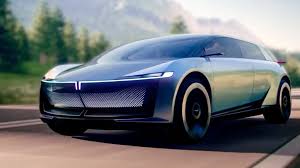
What Is Product Design?
It encompasses everything from the initial concept to the final physical or digital form of a product. It involves:
- Ideation – generating and developing ideas
- Research – understanding market needs, user behavior, and competitor offerings
- Prototyping – building early models to test concepts
- Testing and Iteration – refining based on user feedback
- Final Production – preparing the design for launch or manufacture
The goal is to create products that are not only aesthetically pleasing but also intuitive, efficient, and aligned with user expectations.
Types of Product Design
- Industrial Design
Focuses on the physical form and usability of tangible products like furniture, electronics, or vehicles. - Digital Design
Covers apps, websites, and software interfaces. It includes UX (User Experience) and UI (User Interface) design. - Service Design
Encompasses the planning and organizing of people, infrastructure, and communication for improving service experiences.
Key Principles of Good Product Design
10 principles for good design.
- User-Centered: Designed around user needs and behaviors.
- Functional: It does what it’s supposed to do efficiently.
- Aesthetic: Visual appeal matters — it influences trust and desirability.
- Sustainable: Consideration for environmental impact and longevity.
- Feasible: Technically and economically viable to produce.
The Role of Design Thinking
Design thinking is a problem-solving approach often used in product design. It involves five stages: Empathize, Define, Ideate, Prototype, and Test. This human-centered methodology encourages creativity, experimentation, and a deep understanding of users.
Examples of Great Product Design
-
Apple iPhone – Known for its minimalism, intuitive UI, and build quality.
-
Dyson Vacuum Cleaners – Merged function with innovation and sleek aesthetics.
-
Tesla Model S – Redesigned the car experience with a tech-forward focus.
Challenges in Product Design
-
Balancing aesthetics and functionality
-
Keeping up with rapidly changing user preferences and technology
-
Designing for accessibility and inclusivity
-
Navigating production constraints and cost limitations
